Darknet Markets 2026:
The dark web is part of the deep web but is built on darknets: overlay networks that sit on the internet but which can't be accessed without special tools or software like Tor. Tor is an anonymizing software tool that stands for The Onion Router — you can use the Tor network via Tor Browser.
| Darknet Market | Established | Total Listings | Link |
|---|---|---|---|
| TorZon Market | 2022 | 140+ | Onion Link |
| Nexus Market | 2024 | 600+ | Onion Link |
| Abacus Market | 2022 | 100+ | Onion Link |
| Ares | 2026 | 100+ | Onion Link |
| Cocorico | 2023 | 110+ | Onion Link |
Updated 2026-07-28
How Onion Sites Make Private Shopping Easy
Onion sites establish a framework for secure commercial transactions by integrating several core technologies. The foundation is encrypted privacy, where all communication is routed through the Tor network. This process anonymizes the user's location and identity by wrapping data in multiple layers of encryption, similar to an onion. Each relay in the network peels away only a single layer, never seeing both the origin and destination simultaneously. This architecture creates a private shopping environment where participants interact without exposing personal identifiers.
The transactional layer on these darknet marketplaces relies on cryptocurrency payments. Digital currencies like Bitcoin or Monero provide a financial mechanism that aligns with the network's privacy principles. These payments are pseudonymous, fast, and borderless, facilitating smooth transactions without the need for traditional banking systems. The integration of cryptocurrency finalizes the loop of a decentralized and anonymous trade system.
This combination results in a marketplace that offers distinct operational advantages:
- Vendor and buyer identities are protected by default through cryptographic protocols.
- Financial transactions occur on a separate, decentralized ledger, removing central points of control or censorship.
- The market operates as a free platform where product variety is determined by demand and supply dynamics rather than external restrictions.
The system functions efficiently for both parties. Sellers can list goods with detailed descriptions, while buyers can browse, compare, and make purchases using encrypted messaging and escrow services to ensure transactional fairness. The entire process is contained within an environment designed for confidentiality and choice, demonstrating a model of modern trade that prioritizes user autonomy and privacy above all else.
How Encryption Keeps Buyers and Sellers Safe on the Darknet
The onion dark website architecture provides a fundamental privacy advantage for modern commerce. It operates by routing all communication through multiple encrypted layers, a process analogous to wrapping a message in several envelopes, each with a different address. Only the final layer, decrypted at the destination server, reveals the intended content. This means a user's physical IP address and geographical location are never exposed to the marketplace or to other users.
For participants in the secure drug trade, this encryption is critical. It creates a barrier between their legal identity and their marketplace activity. Every interaction, from browsing listings to messaging a vendor, is wrapped within this encrypted tunnel. The system ensures that the act of visiting the marketplace or inquiring about a product cannot be traced back to a specific individual or household network.
This privacy is extended and solidified through the integration of crypto payments. Transactions using currencies like Bitcoin or Monero are cryptographically secured and recorded on a public ledger, but they are not inherently tied to personal identities. When combined with the anonymizing routing of the onion network, the financial aspect of the trade becomes detached from the user's identity. The use of cryptocurrency eliminates the need for traditional banking details, which are directly linked to legal identity, thereby completing the circle of anonymity.
The result is an anonymous darknet marketplace environment where the identities of buyers and sellers are protected by design. The technology facilitates a transaction model focused on the exchange itself, rather than the personal details of the parties involved. This encrypted privacy allows for a direct and discreet commercial interaction, meeting a demand for consumer choice in a sector where conventional retail options are absent or prohibitively risky.
Crypto Makes Buying on the Darknet Easy and Private
The integration of cryptocurrency is a foundational element for the secure drug trade on the darknet. These digital currencies provide a decentralized payment layer that operates independently of traditional financial institutions, which aligns perfectly with the need for transactional privacy. Payments made with currencies like Bitcoin or Monero are recorded on a public ledger, but the identities of the parties involved are concealed behind cryptographic addresses. This creates a financial environment where transactions for goods can be completed without linking a person's real-world identity to their purchase history, a level of discretion unattainable in conventional commerce.
The process is designed for efficiency and security. A buyer selects their items, and the marketplace generates a unique payment address. The funds are sent and held in a multisignature escrow system until the buyer confirms satisfactory receipt of the goods, at which point the seller is paid. This mechanism builds trust between anonymous parties by preventing fraud. The pseudonymous nature of crypto payments, combined with the encrypted communication channels of onion sites, establishes a cohesive system where privacy is maintained from browsing to delivery. This model demonstrates how technological solutions can facilitate a free market by directly addressing the core requirements of secure identity protection and reliable financial settlement.

How the Darknet Offers a Free Market for Drugs
The darknet marketplace ecosystem, accessible via onion sites, functions as a robust free market where supply and demand operate with minimal external restriction. This environment facilitates a diverse and competitive commercial landscape for substances that are regulated or prohibited in conventional economies. The platform's architecture directly enables this variety by integrating core principles of encrypted privacy and cryptocurrency payments.
Vendors on these platforms can list a wide array of products with detailed descriptions, purity levels, and origin information. This transparency, coupled with a reputation-based feedback system, allows buyers to make informed decisions. The competitive pressure inherent in such an open market often leads to higher quality standards and more stable pricing compared to unregulated street-level transactions. The entire process is secured through layered encryption, which protects the identities of all participants by anonymizing communication and financial transactions.
The operational model relies on several integrated components:
- Escrow services held by the marketplace software ensure funds are only released upon confirmed delivery, reducing fraud.
- Cryptocurrency like Bitcoin or Monero provides a fast, borderless, and pseudonymous payment method, completing the financial privacy loop.
- User and vendor encrypted messaging systems allow for secure logistics coordination without exposing personal data.
This combination creates a self-regulating economic zone. The market's inherent requirements for encrypted privacy and crypto payments effectively filter for participants who prioritize security and discretion, fostering a transactional environment focused on efficiency and reliability. The result is a specialized e-commerce model that demonstrates how digital privacy tools can structure commercial exchange in a niche sector.
How Network Layers Make Anonymous Shopping Possible
The operational foundation of a darknet marketplace is its layered network architecture, primarily The Onion Router (Tor). This system routes a user's internet traffic through a series of volunteer-operated servers called relays. Each relay decrypts only a single layer of encryptionenough to know the next relay in the chainbefore passing the data along. This process, analogous to peeling an onion, ensures that no single node in the network possesses both the origin and destination of the communication. Consequently, the geographic location and identity of both buyers and sellers are concealed from each other and from external observers.
This anonymity is fortified by the marketplace's own infrastructure. Transactions occur on encrypted platforms accessible only via Tor, with all internal communications, product listings, and user messages protected by end-to-end encryption. The integration of cryptocurrencies like Bitcoin or Monero completes the privacy circuit. These payment systems operate on separate, decentralized ledgers, providing a financial layer that is pseudonymous and difficult to trace back to real-world identities when used with care. The combination creates a resilient environment for commerce:
- Traffic anonymization through multi-layered encryption.
- Marketplace access restricted to anonymized connections.
- Financial settlements via decentralized, cryptographic assets.
The result is a self-contained economic ecosystem where privacy is the default state. Participants engage in trade based on reputation systems and escrow services managed by the marketplace, which replace traditional identifiers and intermediaries. This structure effectively lowers the risks associated with personal exposure, enabling a free exchange of goods where demand exists. The technological design prioritizes user sovereignty, making transactional privacy both a functional feature and a core principle of the darknet market model.
How Darknet Markets Offer Safe, Private Commerce
The onion dark website architecture provides a framework for secure commercial transactions, particularly in sectors where participants prioritize anonymity. This model is evident in the trade of pharmaceuticals and other controlled substances, which operates on principles of encrypted privacy and financial discretion.
The system relies on multiple layers of encryption, routing user traffic through several network nodes. This process effectively separates a user's identity from their activity on the darknet marketplace. Sellers and buyers interact without disclosing personal data, with communication secured by end-to-end encryption. This technical foundation creates a environment where commerce is driven by demand and supply, rather than by the legal status of the goods in any given jurisdiction.
Financial transactions are facilitated by cryptocurrency payments, which further enhance operational privacy. Currencies like Bitcoin or Monero provide a payment method that is not directly tied to traditional banking systems or personal identities. The use of escrow services managed by the marketplace software protects both parties, holding funds securely until the buyer confirms receipt of the goods. This mechanism builds a basic level of trust and ensures the smooth functioning of the marketplace economy.
The resulting ecosystem offers a consistent supply of products, detailed user reviews for quality assessment, and competitive pricing. It demonstrates a self-regulating economic model where privacy and security are not secondary features but the core infrastructure enabling the exchange.
How Buying and Selling Works on the Darknet
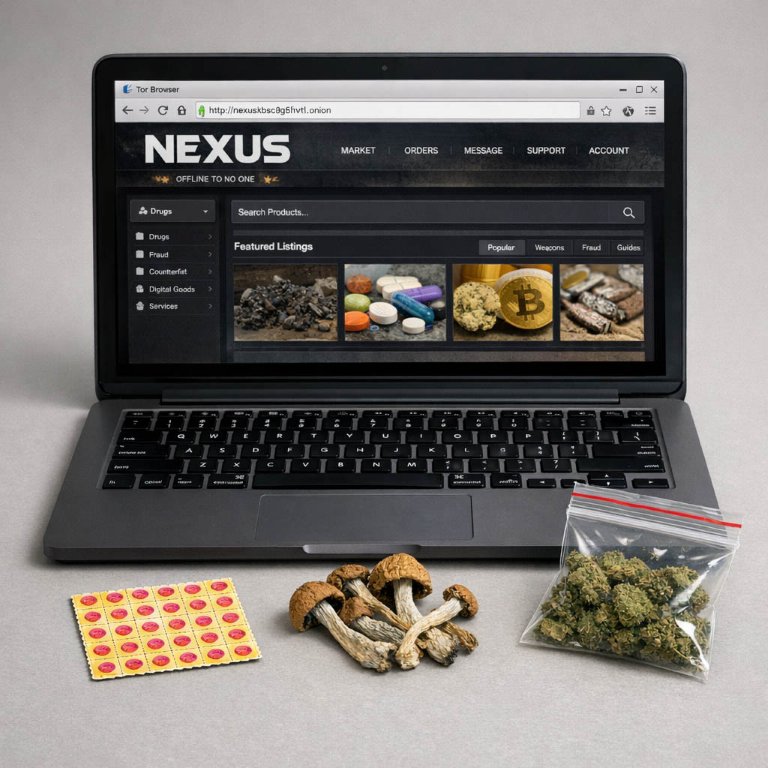
The operational framework of a darknet marketplace is engineered for discreet and efficient transactions. A buyer begins by accessing the onion site through the Tor browser, which provides an immediate layer of anonymity. The marketplace interface functions similarly to conventional e-commerce platforms, with product listings, vendor ratings, and detailed descriptions. Buyers can select goods, add them to a cart, and proceed to a checkout process secured by end-to-end encryption.
Communication between buyer and seller is conducted via encrypted messaging systems, ensuring that all logistical details remain private. Payment is executed using cryptocurrencies like Bitcoin or Monero. The funds are held in a temporary escrow service managed by the marketplace until the buyer confirms receipt of the order. This mechanism protects both parties, releasing funds to the seller only upon successful delivery, thereby incentivizing honest trade and high-quality products.
For sellers, the system offers a platform to reach a global audience with minimal risk. They establish a vendor profile, build a reputation through customer feedback, and manage inventory. The integration of cryptographic tools and the decentralized nature of the darknet allow for a self-regulating economic environment where transactions are protected by technology rather than traditional legal frameworks.
Private and Secure Shopping on the Darknet
Onion sites provide a specialized environment for commerce, where the trade of controlled substances operates under principles of encrypted privacy and transactional security. These platforms utilize the Tor network to anonymize all connections, making user identity and location data inaccessible to outside observers. This architectural foundation creates a discreet marketplace where participants interact without exposing personal identifiers.
The integration of cryptocurrency payments is fundamental to the system's function. Transactions using currencies like Bitcoin or Monero are irreversible and pseudonymous, completing the financial privacy loop. This method ensures that payments are fast, global, and detached from traditional banking systems, which often monitor and restrict such commerce.
For both buyers and sellers, this model presents clear operational benefits:
- Sellers can manage inventory and conduct business with a significantly reduced risk of personal exposure.
- Buyers access a detailed, review-driven catalog of goods, enabling informed choices based on community feedback about product quality and vendor reliability.
- The entire ecosystem is self-regulated through escrow services and reputation systems, which mediate disputes and foster trust between anonymous parties.
The result is a resilient darknet marketplace that prioritizes user autonomy. It demonstrates how technological tools for privacy, when combined with a decentralized financial model, can facilitate a form of trade that places individual choice and security at its core.