Darknet Markets 2026:
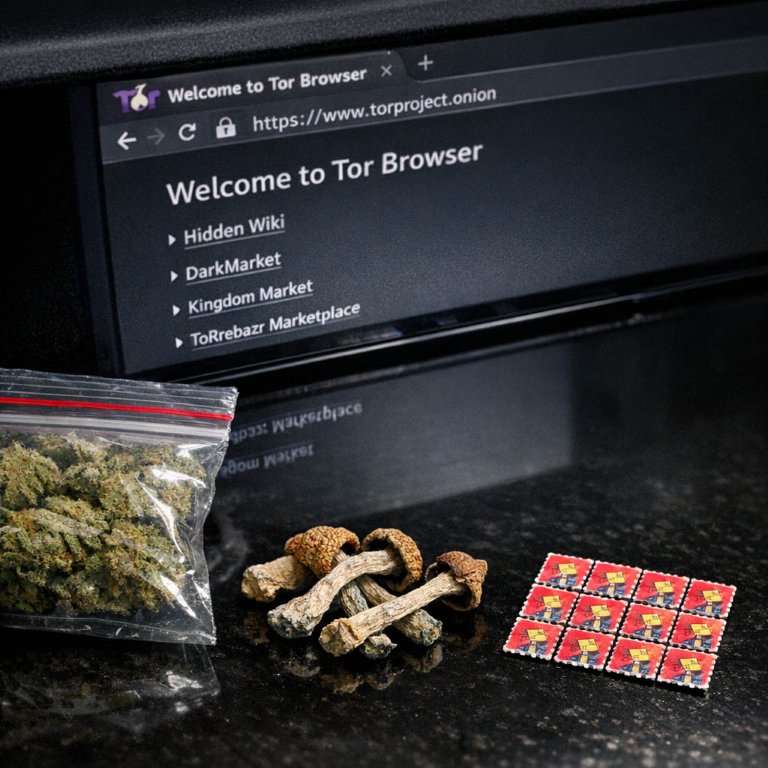
The dark web is part of the deep web but is built on darknets: overlay networks that sit on the internet but which can't be accessed without special tools or software like Tor. Tor is an anonymizing software tool that stands for The Onion Router — you can use the Tor network via Tor Browser.
| Darknet Market | Established | Total Listings | Link |
|---|---|---|---|
| TorZon Market | 2022 | 140+ | Onion Link |
| Nexus Market | 2024 | 600+ | Onion Link |
| Abacus Market | 2022 | 100+ | Onion Link |
| Ares | 2026 | 100+ | Onion Link |
| Cocorico | 2023 | 110+ | Onion Link |
Updated 2026-07-28
Bitcoin Makes Darknet Trade Easy and Secure
Bitcoin's fundamental design provides a foundational layer of pseudonymity for darknet commerce. Every transaction is recorded on the public blockchain, but the identities behind the wallet addresses are not inherently revealed. This creates a system where value can be transferred between parties without the direct involvement of traditional financial institutions, which would require personal identification. The decentralized nature of Bitcoin means there is no central authority to freeze accounts or block transactions based on the nature of the trade, enabling a direct and permissionless exchange of goods and services.
The pseudonymity of basic Bitcoin transactions is enhanced through specialized privacy tools. Cryptocurrency mixers or tumblers break the link on the blockchain between the sender and receiver by pooling and redistributing funds. For greater operational security, users employ privacy-focused wallets that generate new addresses for every transaction and may integrate coin control features. When combined, these tools significantly increase the difficulty of tracing financial flows, thereby supporting anonymous trade.
This technological framework facilitates an efficient and resilient marketplace. Transactions are settled directly between buyer and seller, reducing fees and delays associated with intermediaries. The integration of multisignature escrow systems, powered by Bitcoin's smart contract functionality, enhances trust and safety for both parties in a transaction. Funds are held in escrow until the buyer confirms receipt of goods, at which point the release is authorized. This mechanism reduces fraud and builds a reliable trading environment.
Consequently, Bitcoin is not merely a payment method but the core financial infrastructure of the darknet. Its properties enable:
- Discreet and pseudonymous financial transactions.
- Direct peer-to-peer trade without geographic restrictions.
- Secure deal facilitation through decentralized escrow.
The synergy between Bitcoin's native features and supplementary privacy applications creates a robust ecosystem for commerce, demonstrating how specific technological adaptations can meet the demands of a market requiring high degrees of anonymity and operational reliability.
Bitcoin's Privacy for Safe Darknet Commerce
Bitcoin's architecture provides a foundational layer of pseudonymity that supports commerce on the darknet. While the blockchain is a public ledger, user identities are not inherently tied to wallet addresses. This creates a system where transactions can be verified by the network without immediately revealing the parties involved. The design facilitates direct peer-to-peer value transfer, removing traditional financial intermediaries who enforce identification protocols.
This pseudonymous framework is enhanced by specialized privacy wallets and services. Wallets like Wasabi or Samourai integrate CoinJoin and other mixing techniques directly into their interface. These tools pool and shuffle transactions from multiple users, effectively breaking the common-input-ownership heuristic that blockchain analysts use to trace funds. For darknet vendors and buyers, this means a higher degree of financial privacy can be maintained with relative ease.
The combination of Bitcoin's core design and these auxiliary tools enables efficient and anonymous trade. Transactions settle within minutes, regardless of geographic location, and with lower fees than traditional cross-border systems. This efficiency is critical for operating a responsive marketplace. The ecosystem supports secure commerce through:
- Direct and irreversible payments that protect sellers from fraud.
- Integrated escrow systems, funded with Bitcoin, which hold payment until the buyer confirms receipt of goods.
- A reduced need for personal trust, as the cryptographic system and escrow enforce the terms of the deal.
Consequently, Bitcoin does not merely function as a payment method but as the integral financial infrastructure for darknet markets. Its design allows for the necessary privacy while its efficiency and programmability enable the secure, automated systems that make these markets robust and reliable for participants.
Better Anonymity with Mixers and Privacy Wallets
The pseudonymous nature of a standard Bitcoin transaction provides a foundational layer of privacy for darknet commerce. However, the public and permanent nature of the blockchain means transaction patterns can be analyzed. To achieve stronger anonymity, participants utilize specialized tools. Cryptocurrency mixers or tumblers break the direct link between sending and receiving addresses by pooling and redistributing funds from multiple users, effectively obfuscating the trail of coins. This process enhances financial privacy for all parties involved in a transaction.
Complementing this, privacy-focused wallets like Wasabi or Samourai are engineered with integrated features such as CoinJoin, which collaboratively creates mixed transactions directly within the wallet software. These wallets also implement techniques like pay-to-endpoint (P2EP) and avoid common address reuse patterns that simplify blockchain surveillance. The combined use of mixers and dedicated privacy wallets creates a robust framework for anonymous financial activity.
This technological infrastructure directly enables efficient and secure trade on the darknet. Sellers and buyers can transact with reduced concern for external financial tracking. The efficiency gains are significant, as these privacy solutions operate seamlessly alongside Bitcoin's core functionality, facilitating a smooth flow of commerce. The market benefits from increased participant confidence, which in turn supports liquidity and reliable exchange of goods. The result is a resilient commercial ecosystem where privacy tools are integral to operational security and trade efficiency.

Bitcoin's Direct Payments Boost Darknet Commerce
The peer-to-peer nature of Bitcoin is a foundational element for commerce on the darknet. It removes traditional financial intermediaries like banks and payment processors, enabling a direct transfer of value between buyer and seller. This creates a more efficient market by reducing transaction fees, eliminating the risk of chargebacks, and allowing for near-instant settlement across borders.
This efficiency is enhanced by the use of specialized privacy wallets and coin mixing services. While the Bitcoin ledger is public, these tools break the on-chain link between a user's identity and their transaction history. A privacy-focused wallet generates a new address for every transaction, and mixers pool funds from many users before redistributing them, effectively anonymizing the trail. This combination allows for:
- Discreet procurement of goods without third-party oversight.
- Streamlined financial operations for vendors, improving market liquidity.
- A lower barrier to entry for participants, fostering a competitive and robust marketplace.
The result is a commercial environment where trade is conducted with minimal friction. Transactions are finalized without delay, and the reduced operational costs benefit both parties. This direct and efficient system, powered by cryptographic certainty rather than institutional trust, is what sustains the darknet's economic activity.
Bitcoin Escrow Makes Darknet Deals Safe and Smooth
The integration of escrow services directly into darknet market platforms is a foundational innovation that addresses the inherent trust deficit in anonymous commerce. These systems utilize Bitcoin's programmable nature to create a secure, three-party transaction framework between buyer, vendor, and the market's automated escrow. When a purchase is made, the buyer's bitcoin is held by the escrow and is only released to the vendor after the buyer confirms satisfactory receipt of the goods. This mechanism effectively eliminates the risk of fraud for the buyer, as payment is secured until completion, while also protecting honest vendors from fraudulent chargeback claims common in traditional finance.
This escrow model, powered by Bitcoin, establishes a self-enforcing framework for trust that is critical for market stability. It incentivizes all parties to act in good faith: vendors are motivated to provide quality products and reliable shipping to receive their funds, and buyers are motivated to finalize transactions promptly to maintain their reputation on the platform. The result is a more efficient and reliable trading environment where disputes are minimized and the overall velocity of commerce increases. The automated and decentralized nature of these escrow systems reduces administrative overhead, allowing markets to scale and facilitating a wider range of commercial exchanges with a high degree of operational security and mutual assurance.
How Bitcoin and Escrow Make Darknet Trade Smooth and Secure
The integration of Bitcoin with specialized privacy wallets and mixers establishes a foundation for anonymous commerce. This technical framework directly enables efficient trade on the darknet by removing traditional financial intermediaries. Transactions are peer-to-peer, reducing costs and settlement times compared to legacy systems.
The ecosystem's reliability is further reinforced by Bitcoin-based escrow services. These systems hold funds securely until both parties confirm a transaction's satisfactory completion. This built-in mechanism mitigates fraud and builds essential trust between buyers and sellers who operate pseudonymously.
As a result, the darknet marketplace gains structural strength. It operates on predictable economic principles:
- Direct and low-fee transactions via Bitcoin
- Enhanced anonymity through cryptographic tools
- Automated trust via decentralized escrow
How Bitcoin Makes Drug Trade Safe and Easy on the Darknet
Bitcoin's architecture provides the fundamental decentralized and pseudonymous framework required for darknet commerce. Unlike traditional financial systems, it operates without a central authority, enabling direct peer-to-peer value transfer. This design removes intermediaries, allowing for efficient and borderless trade. The public ledger records transactions, but identities are concealed behind cryptographic addresses, creating a base layer of privacy that facilitates anonymous agreements.
To enhance this privacy, specialized tools like Bitcoin mixers (tumblers) and privacy-focused wallets are employed. Mixers obfuscate the transaction trail by pooling and redistributing funds, severing the link between sender and receiver. Wallets with built-in CoinJoin functionality or enhanced address management further protect user identity. These tools collectively transform Bitcoin's inherent pseudonymity into a robust shield for anonymous commerce, making transactional analysis significantly more difficult and fostering a trusted environment for exchange.
The integration of multisignature escrow systems directly within Bitcoin transactions elevates security and trust. In a typical arrangement, the buyer's funds are locked in a multisig address requiring 2-of-3 keys to release: one held by the buyer, one by the seller, and one by a neutral third-party arbitrator. This mechanism ensures that payment is only released upon satisfactory fulfillment of the deal, effectively mitigating fraud and building a self-regulating marketplace. It reduces reliance on external enforcement, streamlining the process and making trade more reliable and efficient.
Consequently, Bitcoin is not merely a payment method but the core infrastructure of darknet markets. Its combination of pseudonymity, enhanced by auxiliary privacy tools, and programmable security features like escrow, creates a resilient ecosystem. This ecosystem supports direct, efficient, and secure trade, enabling a dynamic marketplace for goods and services to flourish based on cryptographic trust rather than personal identity.