Darknet Markets 2026:
The dark web is part of the deep web but is built on darknets: overlay networks that sit on the internet but which can't be accessed without special tools or software like Tor. Tor is an anonymizing software tool that stands for The Onion Router — you can use the Tor network via Tor Browser.
| Darknet Market | Established | Total Listings | Link |
|---|---|---|---|
| TorZon Market | 2022 | 140+ | Onion Link |
| Nexus Market | 2024 | 600+ | Onion Link |
| Abacus Market | 2022 | 100+ | Onion Link |
| Ares | 2026 | 100+ | Onion Link |
| Cocorico | 2023 | 110+ | Onion Link |
Updated 2026-07-28
How Onion Addresses Create Private Shops for Safe Commerce
The foundational element of a darknet market is its onion address, a unique identifier that functions as a private, encrypted storefront. This address, accessible only through the Tor network, provides a layer of anonymity for both the platform and its users by routing traffic through multiple encrypted relays. The address itself acts as a direct, private gateway, shielding the market's physical server location and creating a discreet commercial environment.
Upon accessing the correct onion address, users encounter a familiar e-commerce interface. Product listings are detailed, with clear descriptions, photographs, and pricing. Vendors organize their virtual storefronts with categories, much like on conventional online retail platforms, facilitating efficient browsing and product discovery. This structured presentation is crucial for informed decision-making.
Trust is established through integrated systems. User reviews and vendor ratings are prominently displayed for each product and seller profile. These are persistent, historical records of past transactions that provide transparent feedback on product quality and vendor reliability. The platform's escrow system is central to securing transactions. Funds from a buyer are held in escrow by the market until the product is delivered and confirmed, at which point they are released to the seller. This mechanism protects buyers from fraud and incentivizes sellers to fulfill orders reliably.
The process for a user is direct:
1. Access the market via its onion address using Tor.
2. Browse or search for products using detailed listings.
3. Evaluate vendors based on their ratings and accumulated feedback.
4. Finalize a purchase, with funds secured in escrow.
5. Finalize the transaction upon receipt, releasing payment.
This model demonstrates how darknet markets leverage onion routing for privacy, employ escrow for transactional security, and utilize crowdsourced reviews to build a functional, trust-based ecosystem for direct commerce.
How Detailed Listings Make Buying on the Darknet Safer
Product discovery on a darknet market begins with the onion address, which functions as a gateway to a private digital marketplace. Once access is established, the platform's core utility is its structured catalog of goods, where detailed listings are the standard. Vendors provide comprehensive product pages that include specific photographs, precise weight measurements, chemical purity percentages, and country of origin.
These descriptions go beyond basic labeling. For pharmaceuticals and psychoactive substances, listings often detail:
- Exact dosage information and recommended consumption methods.
- Laboratory analysis results confirming compound structure.
- Clear shipping timelines and packaging techniques for discretion.
The depth of information serves a direct commercial purpose: it reduces uncertainty for the buyer and minimizes transactional disputes. A buyer can make an informed decision based on empirical data presented in the listing, which establishes a baseline for product expectation. This level of detail, comparable to that found on surface web e-commerce platforms, is a fundamental mechanism for building initial trust in an anonymous environment. The listing acts as a binding description, forming the basis for the subsequent escrow agreement and later user reviews.
How Reviews Make Buying on the Darknet Safer
User reviews form the operational backbone of trust on darknet markets, transforming anonymous transactions into reliable commerce. Unlike traditional e-commerce, the stakes for accurate feedback are significantly higher due to the nature of the goods and the absence of legal recourse. A product listing with a substantial volume of positive reviews serves as a direct indicator of a vendor's consistency and product quality. Buyers meticulously analyze these reviews, which often include detailed user reports on product purity, shipping speed, and stealth packaging.
The review system functions as a continuous audit. Discrepancies between a vendor's claims and buyer experiences are immediately visible. For example:
- A review noting a product's weight was under the advertised amount raises a red flag for future buyers.
- Consistent praise for a seller's communication and reliable shipping builds a trusted reputation over time.
- Photographic evidence posted in reviews verifies the physical appearance of products upon arrival.
This collective intelligence mitigates the risk of fraud. New or unscrupulous vendors are quickly identified through negative or neutral feedback, protecting the community. The system incentivizes honest business practices, as a vendor's entire livelihood on the platform depends on maintaining high user ratings. Consequently, a well-reviewed listing is not merely a suggestion but a critical data point for conducting safe and satisfactory transactions.

How Escrow Makes Darknet Drug Trade Safe and Reliable
The escrow system is a fundamental mechanism for enabling secure transactions on darknet markets. It functions as a neutral third-party service that holds a buyer's cryptocurrency payment after an order is placed, but before the seller receives it. This creates a protected environment for commerce by aligning the incentives of both parties towards a successful exchange.
For the buyer, escrow provides a direct form of purchase insurance. Funds are only released to the seller after the buyer confirms satisfactory receipt of the product. This mitigates the primary risk of sending payment to an anonymous vendor who might otherwise not deliver the goods. The buyer can confidently place orders, knowing the payment is secured in the interim period.
From the seller's perspective, a successful escrow release serves as automated and verifiable proof of a completed sale. It guarantees payment upon fulfillment of their part of the agreement, protecting against fraudulent chargebacks that are common in traditional e-commerce. The system formalizes trust, allowing reputable vendors to build a transaction history.
The typical workflow involves several clear steps:
- A buyer selects a product and submits payment, which is immediately placed into the market's escrow wallet.
- The seller is notified and ships the order to the provided address.
- Upon delivery, the buyer marks the order as received. After a set period, or if the buyer takes no action, the escrow automatically finalizes and releases the funds to the seller.
- If a dispute arisessuch as non-delivery or a quality issueeither party can open a ticket. Market administrators then act as arbitrators, reviewing communication and evidence before deciding to release funds to the seller, return them to the buyer, or split them accordingly.
This process transforms a potentially risky anonymous trade into a structured transaction. It encourages honest business practices, as vendors with consistent successful escrow releases gain higher ratings and more sales. The system's effectiveness is a primary reason for the operational resilience and user adoption of darknet platforms, facilitating a reliable economic ecosystem for adult consumers seeking various goods.
How Ratings Make Buying on the Darknet Safe and Easy
The feedback system on a darknet market functions as its social proof mechanism. When a buyer completes a transaction, they can leave a rating, typically on a scale of one to five stars, and write a detailed review. This review often includes comments on product quality, shipping speed, stealth of packaging, and the vendor's communication. These ratings are aggregated to form a vendor's overall score, a visible metric that directly influences their future sales. A vendor with a high score and hundreds of positive reviews is perceived as reliable and established, whereas a new vendor or one with poor feedback will struggle to attract business.
The process creates a self-reinforcing cycle of accountability. Vendors are economically incentivized to maintain high standards because their reputation, and thus their income, depends on it. Buyers, in turn, use this historical data to make informed decisions, significantly reducing the perceived risk of a transaction. They can assess whether a product listing matches the received item by reading specific user experiences. This transparent record of past transactions substitutes for the legal guarantees found in conventional e-commerce, building a functional trust framework based on collective verification.
Effective rating systems often include separate scores for different aspects of the service. Common categories are:
- Product quality versus advertisement
- Shipping and handling
- Communication with the vendor
- Stealth and discretion
This granularity allows buyers to prioritize what matters most to them. A buyer might accept slower shipping if the product quality is consistently rated as exceptional. The system's integrity is maintained because feedback is usually only possible after a sale is finalized through the market's escrow system, preventing fake reviews from users who never purchased the item. This linkage ensures that the reputation data reflects actual commercial exchanges, making it a cornerstone of operational security and trust for all parties involved.
Easy Access to Safe Drug Trade on the Darknet
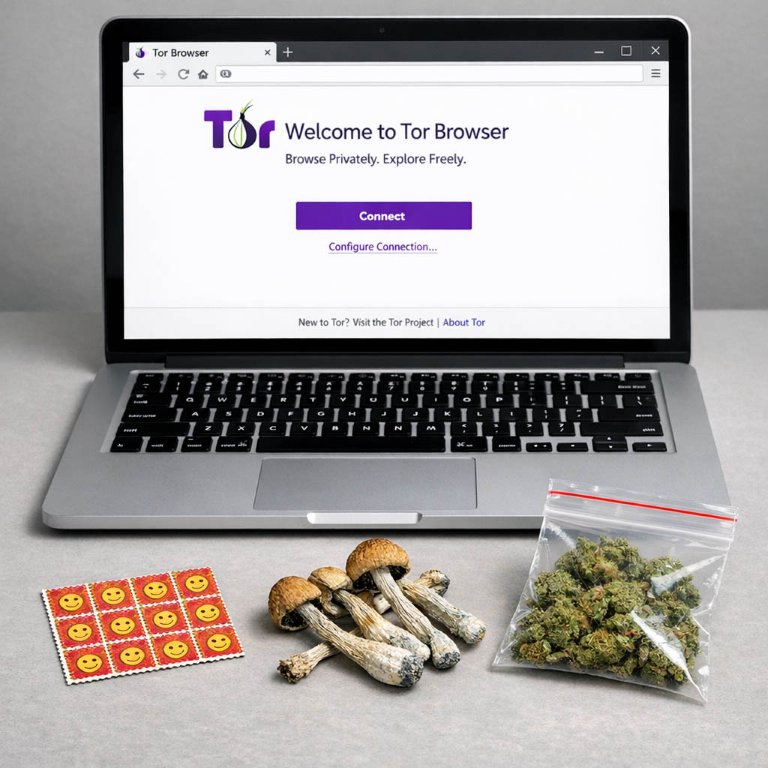
Accessing a darknet market begins with obtaining its unique onion address, which functions as a private digital location. This address is a string of characters ending in .onion and is only reachable through specialized software designed to anonymize network traffic. The primary tool for this is the Tor Browser, which routes internet connections through multiple encrypted layers, obscuring the user's location and identity from network observers. This provides the foundational anonymity required to visit these platforms.
Before a transaction occurs, the buyer must verify the authenticity of the onion address to avoid phishing sites. This is typically done through community-maintained directories or trusted forums where users share and confirm current addresses. Once a legitimate address is secured, navigation within the market follows a familiar e-commerce structure. Products are organized into categories, and each listing includes a detailed description, photographs, and clear pricing, often in cryptocurrency. The seller's ratings and user reviews are prominently displayed, offering a transparent record of past transaction success and product quality.
The purchase process integrates critical trust mechanisms. When a buyer selects a product, funds are not sent directly to the seller. Instead, the market's automated escrow system holds the cryptocurrency in secure custody. The funds are only released to the seller after the buyer confirms satisfactory receipt of the goods. This system protects both parties: sellers are assured of payment for shipped items, and buyers are shielded from fraud. The efficiency of this model facilitates direct transactions with a reduced risk of financial loss, relying on the platform's infrastructure rather than personal trust between strangers.
Security extends beyond the browser. Users employ additional practices such as:
- Using cryptocurrencies like Monero or Bitcoin with enhanced privacy features.
- Employing PGP encryption for all sensitive communication with vendors.
- Never reusing usernames or passwords from other online services.
How to Shop Safely on the Darknet
Accessing a darknet market requires specific software, primarily the Tor Browser. This tool routes your connection through multiple encrypted layers, masking your IP address and allowing you to reach the market's .onion address. This address acts as the private gateway, inaccessible through standard browsers.
Before visiting any market, verify the .onion URL from multiple trusted sources to avoid phishing sites. Once on the platform, creating a unique username is standard. The critical step is securing this account with a strong, randomly generated password and enabling two-factor authentication (2FA) wherever possible. This adds a necessary barrier against unauthorized access.
Transactions on darknet markets use cryptocurrencies like Bitcoin or Monero. For enhanced privacy, it is recommended to use an intermediary wallet between your exchange account and the market. This practice, known as tumbling or simply using intermediate hops, helps break the direct financial trail. Monero is increasingly preferred for its built-in privacy features that obscure transaction details by default.
Communication with vendors should always occur through the market's encrypted internal messaging system. This keeps all order-related discussions within the secured platform and provides a record for dispute resolution. Avoid using external email services which lack the same level of protection and can expose metadata.
Personal operational security extends to your physical environment. Using a dedicated, clean operating system from a USB drive, such as Tails OS, ensures no trace of your activity is left on your computer's hard drive. This system is designed to amnesiac, forgetting all activity upon shutdown. Consistently applying these measures transforms the darknet market from a mere catalog into a functional, private storefront for direct commerce.
How Direct Darknet Deals Make Buying Drugs Simple and Safe
The operational model of darknet markets is engineered for peer-to-peer efficiency. Transactions occur directly between a buyer and a seller, facilitated by the market's infrastructure but without traditional financial intermediaries. This structure minimizes overhead and often results in competitive pricing and a wider product selection than might be available through local, offline channels. The use of cryptocurrencies, primarily Bitcoin and Monero, is integral to this process, enabling fast, borderless payments that are pseudonymous by design.
Access to this system is granted through a onion address, a unique identifier hosted on the Tor network. This address functions as a private gateway, ensuring that both the location of the market and the activities of its users are concealed from standard internet surveillance. The direct transaction model is protected by several key mechanisms:
- Escrow services hold the buyer's cryptocurrency in a secure third-party account until the product is received and confirmed, which significantly reduces the risk of fraud.
- Detailed vendor ratings and user reviews create a transparent feedback loop, allowing buyers to assess reliability and product quality based on collective experience.
- Encrypted communication channels within the platform allow for secure discussion of order details without exposing sensitive data.
This combination of direct trade, financial privacy, and enforced trust mechanisms creates a streamlined commercial environment. The efficiency is not merely in the transaction speed but in the systemic reduction of risk and the empowerment of informed consumer choice, replicating and often enhancing the trust structures found in conventional e-commerce within a privacy-centric framework.