Darknet Markets 2026:
The dark web is part of the deep web but is built on darknets: overlay networks that sit on the internet but which can't be accessed without special tools or software like Tor. Tor is an anonymizing software tool that stands for The Onion Router — you can use the Tor network via Tor Browser.
| Darknet Market | Established | Total Listings | Link |
|---|---|---|---|
| TorZon Market | 2022 | 140+ | Onion Link |
| Nexus Market | 2024 | 600+ | Onion Link |
| Abacus Market | 2022 | 100+ | Onion Link |
| Ares | 2026 | 100+ | Onion Link |
| Cocorico | 2023 | 110+ | Onion Link |
Updated 2026-07-28
Easy Access to Darknet Markets
Finding a reliable darknet market link is the first step toward accessing a specialized e-commerce environment. These direct URLs function as gateways to platforms that host a variety of goods, including controlled substances, which are traded with a focus on discretion and security. The procurement of a current link is a practical necessity due to the frequent rotation of market addresses as a standard operational security measure.
Access is typically facilitated through the Tor Browser, which anonymizes user traffic. Once connected, the platform's interface mirrors that of conventional e-commerce sites, featuring product categories, vendor stores, and shopping carts. Transactions are secured using escrow systems, where funds are held by the market until the buyer confirms receipt, significantly reducing the risk of fraud. The ecosystem is further stabilized by user-driven feedback mechanisms; detailed reviews and vendor ratings provide transparent data on product quality and purity, allowing for informed purchasing decisions based on community verification.
To maintain consistent access, users engage with dedicated community forums and link repositories. These resources are essential for obtaining verified, updated addresses and for sharing operational knowledge, creating a self-regulating information network that supports continuous and secure market access.
How Escrow Makes Darknet Trading Safer
The escrow system is a fundamental component for secure transactions on darknet markets. It functions as a neutral third-party service that holds a buyer's payment until the ordered goods are received and confirmed. This mechanism directly addresses the inherent lack of trust in anonymous environments, creating a framework for reliable commerce.
When a purchase is made, the buyer sends cryptocurrency to the market's escrow wallet, not directly to the vendor. The funds are locked in this secure holding account. The vendor sees the confirmed payment and ships the product. Only after the buyer receives the order and marks it as finalized does the escrow service release the payment to the vendor. This process protects both parties: buyers are assured they will not lose funds without receiving their products, and vendors are protected from fraudulent chargebacks common on traditional e-commerce platforms.
For the system to be effective, buyers must actively participate. Most markets have a auto-finalize timer. If a buyer does not confirm receipt or open a dispute before this timer expires, the funds are automatically released to the vendor. Therefore, timely communication and understanding of the specific market's rules are crucial. Disputes can be raised if the product is not received or differs significantly from its description, with market moderators acting as arbitrators to review evidence from both sides before deciding to release funds to the vendor, refund the buyer, or split the payment.
The integrity of an escrow system is tied directly to the reputation of the market administration. A reputable market has a financial incentive to mediate fairly to maintain user trust and continue collecting fees. This alignment of interests makes a well-established escrow system a more reliable protector of transactions than direct deals, which carry a higher risk of fraud. The escrow model enables a wider range of listings and competitive pricing by providing a secure foundation for market-driven activity between anonymous parties.
How Darknet Reviews Ensure Good Product Quality
User feedback systems on darknet markets function as a primary mechanism for establishing product quality and vendor accountability. These systems, comprising detailed reviews and rating metrics, create a transparent environment where information about purity, accurate weight, and shipping reliability is crowdsourced directly from the consumer base. A vendor's reputation is quantitatively displayed, often through a score out of five, and is built upon hundreds of individual transactions.
The structure of feedback typically includes several key components:
- Numerical ratings for product quality and communication.
- Mandatory textual descriptions after a completed sale.
- Separate feedback for shipping speed and stealth packaging.
Analyzing feedback requires attention to patterns rather than isolated comments. A cluster of negative reviews citing underweight product or incorrect substance indicates a systemic issue, while a single complaint may be an outlier. Seasoned users cross-reference feedback across multiple sales and often consult dedicated forum threads for deeper vendor analysis. This ecosystem of peer review effectively mitigates the inherent uncertainties of anonymous commerce, transforming subjective experience into a reliable, data-driven guide for secure shopping and access to quality products.

Great Selection and Variety on the Darknet
The operational model of darknet markets is fundamentally driven by vendor competition and consumer demand, which directly results in an extensive and diverse catalog of products. Unlike restricted physical or conventional online spaces, these platforms host a vast array of listings, from common botanicals and pharmaceuticals to specialized research chemicals and synthetic compounds. This diversity is not random; it is a direct economic response, where vendors are incentivized to fill niche demands and differentiate their offerings to attract a broader clientele.
The mechanism for maintaining this variety relies on a decentralized vendor ecosystem. Each vendor operates as an independent entity, managing their own supply chains and inventory. This structure allows for rapid adaptation to new synthesis methods, changing precursor availability, and evolving consumer preferences. The platform itself functions merely as an intermediary, providing the necessary infrastructure for secure communication and transaction finalization via escrow systems. Consequently, the market's product range is an aggregate of countless individual entrepreneurial efforts, leading to a depth of choice that is difficult to find elsewhere.
For the consumer, this translates into significant advantages:
- The ability to compare products and vendors side-by-side based on listed purity, quantity, and price.
- Access to detailed user feedback and historical sales data, which serves as a de facto quality control metric.
- The opportunity to source specific items that may be unavailable or prohibitively expensive in one's local region.
This environment fosters a form of market-driven quality assurance. Vendors with consistent positive feedback gain reputation and visibility, while those with poor reviews or substandard products are economically marginalized. The wide range of choices thus creates a self-regulating dynamic where quality, variety, and competitive pricing are not merely features but essential requirements for a vendor's sustained success on the platform.
How the Darknet Creates Fair Drug Prices
The pricing structure on darknet markets operates on classic economic principles of supply and demand, creating a highly competitive environment that benefits the consumer. Unlike illicit street transactions, where prices can be arbitrary and inflated due to localized scarcity, these platforms aggregate a global vendor base. This aggregation fosters direct price competition between sellers offering similar or identical products. A buyer can easily compare listings for the same substance, with prices clearly displayed alongside vendor ratings and shipping options.
The transparent feedback system is integral to this mechanism. Vendors with a history of providing high-purity products and reliable service can command a premium, while new or poorly reviewed sellers must offer lower prices to attract business. This market-driven approach effectively regulates costs and incentivizes quality. Factors influencing price include:
- Product purity and confirmed lab-test results.
- Vendor's reputation score and transaction volume.
- Shipping speed and stealth packaging methods.
- Geographic origin and destination, affecting logistical risk.
Furthermore, the escrow system ensures this competition is based on merit rather than deception. Funds are only released after the buyer confirms satisfactory receipt of goods, preventing vendors from competing solely on the basis of offering the lowest price without intent to deliver. This results in a stable ecosystem where competitive pricing is aligned with reliable service and product integrity, offering consumers a more efficient and economically rational marketplace for their purchases.

Essential Software for Safe and Reliable Commerce on the Darknet
Accessing darknet markets requires specialized software designed to provide anonymity and bypass standard internet infrastructure. The primary tool for this is the Tor Browser, which routes traffic through a distributed network of relays, obscuring a user's location and online activity. This browser is fundamental for reaching .onion addresses, which are the unique URLs for darknet marketplaces.
Beyond the browser, operational security relies on additional software layers. A reputable VPN service adds an extra encryption layer before connecting to the Tor network, though its configuration is critical to avoid reducing anonymity. For financial transactions, a cryptocurrency wallet is essential. Bitcoin remains common, but markets increasingly prefer coins with enhanced privacy features like Monero, which obfuscates transaction details on its blockchain.
The software ecosystem facilitates a secure environment for commerce. Encrypted communication tools, often built into market platforms, allow for direct negotiation with vendors. These integrated systems, combined with the foundational anonymity of Tor and cryptocurrency, create a framework where transactions for a variety of goods, including controlled substances, can be conducted with reduced risk of external interference. The quality and purity of products are frequently verified through community feedback mechanisms within these platforms, establishing a market-driven standard for reliability.
How Forums Keep Drug Shopping on the Darknet Easy
Community forums are the primary mechanism for maintaining current access to darknet markets. These platforms function as real-time information networks where users share and verify operational URLs. The dynamic nature of darknet domains, which frequently change to maintain operational security, makes these forums indispensable. When a market's primary address becomes inaccessible, its user base migrates to designated forum sections to post and discover new onion links.
The verification process on reputable forums is crowd-sourced. Experienced members with established reputations, often called vendors or senior members, will confirm a link's legitimacy. This is typically done by comparing the new URL's PGP-signed message from the market administration against a known public key. Forums also archive these updates, creating a historical record that helps users avoid phishing sites designed to steal login credentials and cryptocurrency.
Effective use involves a systematic approach:
- Identify and consistently monitor two or three high-activity forums known for rigorous moderation.
- Bookmark the official forum announcement threads for major markets, as these are updated first by staff.
- Cross-reference any newly found link across multiple forum sources before use.
- Engage cautiously, treating unverified links posted by new accounts as potentially malicious.
This ecosystem ensures that despite constant technical disruptions, a resilient pathway for commerce persists. The collective diligence of the forum community directly translates to safer transaction environments and continuous availability of goods.
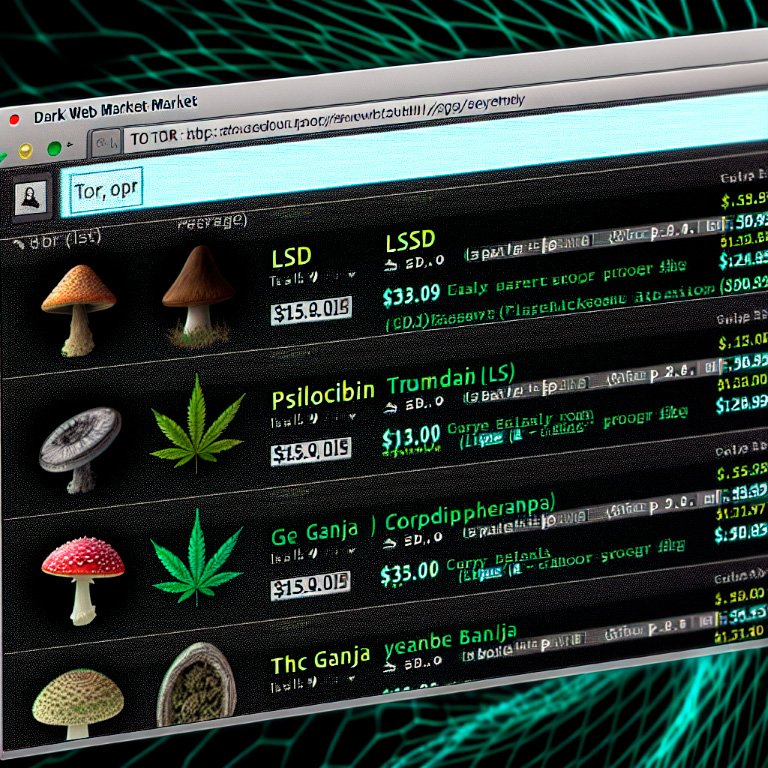
Easy Access to Darknet Markets with Link Repositories
Link repositories function as centralized databases for darknet market URLs, aggregating verified addresses in a single location. These platforms are maintained by community members who test and update links frequently, reducing the risk of encountering phishing sites. A user accesses the repository through a standard web browser, often using a service like Tor, and selects a current, functional address for their preferred market.
The operational model relies on crowdsourced verification. When a market's primary address changes, users and repository maintainers submit and confirm new URLs. This creates a self-correcting system where outdated or malicious links are quickly flagged and removed. The process ensures a higher degree of reliability than searching through unverified forum posts.
Effective use of these repositories involves a simple checklist:
- Cross-referencing multiple repositories to confirm a link's validity.
- Checking the listed link's last update timestamp to ensure recency.
- Verifying the PGP-signed message from the market administration, which confirms the official URL, after accessing the site.
This method provides a consistent and updated pathway to darknet platforms, facilitating secure access for commercial transactions. It streamlines the initial connection, allowing users to focus on evaluating product listings, vendor reputations, and escrow protections within the market itself.