Darknet Markets 2026:
The dark web is part of the deep web but is built on darknets: overlay networks that sit on the internet but which can't be accessed without special tools or software like Tor. Tor is an anonymizing software tool that stands for The Onion Router — you can use the Tor network via Tor Browser.
| Darknet Market | Established | Total Listings | Link |
|---|---|---|---|
| TorZon Market | 2022 | 140+ | Onion Link |
| Nexus Market | 2024 | 600+ | Onion Link |
| Abacus Market | 2022 | 100+ | Onion Link |
| Ares | 2026 | 100+ | Onion Link |
| Cocorico | 2023 | 110+ | Onion Link |
Updated 2026-07-28
Get Your Working Nexus Link for Easy Darknet Access
Accessing the platform begins with obtaining a verified Nexus darknet link, which serves as the primary gateway. These links are cryptographic addresses that provide a direct and encrypted connection to the marketplace's servers, bypassing standard web infrastructure. The reliability of this link is fundamental, as it ensures uninterrupted access to the platform's full suite of services for anonymous shopping and secure crypto payments.
The architecture employs a rotating list of mirror links and utilizes onion routing to obscure both the server location and the user's entry point. This design guarantees that the connection remains stable and resistant to common network disruptions. Users typically source these current links from dedicated verification channels or community repositories, which is a standard practice for maintaining access to such services.
Once connected through a legitimate link, the platform's environment loads in its entirety. This immediate and direct access is what facilitates the subsequent stages of engagement, from browsing product listings to finalizing transactions. The link itself is not merely a URL but a secure tunnel, establishing the necessary conditions for privacy and operational continuity from the very first interaction.
How the platform keeps your buying private
The platform's architecture is fundamentally built on the principle of user anonymity. This begins with access through the Nexus link, which utilizes the Tor network to obfuscate a user's location and IP address, making traffic indistinguishable from regular internet use. The design does not require personal information for account creation, relying instead on cryptographically generated identifiers.
All communications and transaction details within the platform are protected by end-to-end encryption. This means that messages between buyers and vendors, as well as order specifics, are scrambled and can only be deciphered by the intended recipient. The system is designed so that not even the platform's own servers can access the plaintext content of these exchanges.
Financial privacy is maintained through the exclusive use of cryptocurrencies like Bitcoin and Monero. Transactions are recorded on public blockchains, but they are pseudonymous, not directly linked to real-world identities. The platform further enhances this by encouraging the use of tumbling services and privacy-focused coins, which break the traceable chain of transactions on the blockchain.
The interface itself minimizes data exposure. User activity, browsing history, and search queries are not logged in a personally identifiable manner. The combination of these technical measuresTor routing, strong encryption, and cryptocurrencycreates a layered defense that effectively shields user activity, allowing for discreet and confidential participation in the darknet marketplace.
How Encryption and Crypto Make Darknet Deals Private and Secure
The foundation of anonymous commerce on the darknet is the integration of end-to-end encryption and cryptocurrency payments. This combination creates a secure environment where transactional privacy is operational by design. All communications, from initial contact to order finalization, are encrypted. This means only the intended sender and recipient can read the messages, preventing external surveillance and data interception.
Financial anonymity is achieved through the use of cryptocurrencies like Bitcoin or Monero. These digital currencies facilitate direct peer-to-peer value transfer without the involvement of traditional financial institutions. Transactions are recorded on a public ledger, but the identities of the parties are represented by cryptographic addresses, not personal names. For enhanced privacy, users employ tumbling services or use privacy-focused coins that obscure transaction trails, making financial flows difficult to trace.
The process is straightforward:
- A user accesses the platform via a secure Nexus link using the Tor browser.
- All site traffic is automatically encrypted, protecting the user's location and activity.
- Product listings and vendor communications are conducted through encrypted messaging systems.
- Payment is made to a secured escrow wallet using cryptocurrency.
- Upon order fulfillment, the funds are released from escrow to the vendor.
This system ensures that deals are conducted with a high degree of anonymity. The platform's architecture separates identity from activity, allowing users to engage in commerce based on reputation and product quality rather than personal identifiers. The cryptographic security model makes it technically challenging for any single party to compromise both the communication and financial layers of a transaction simultaneously.
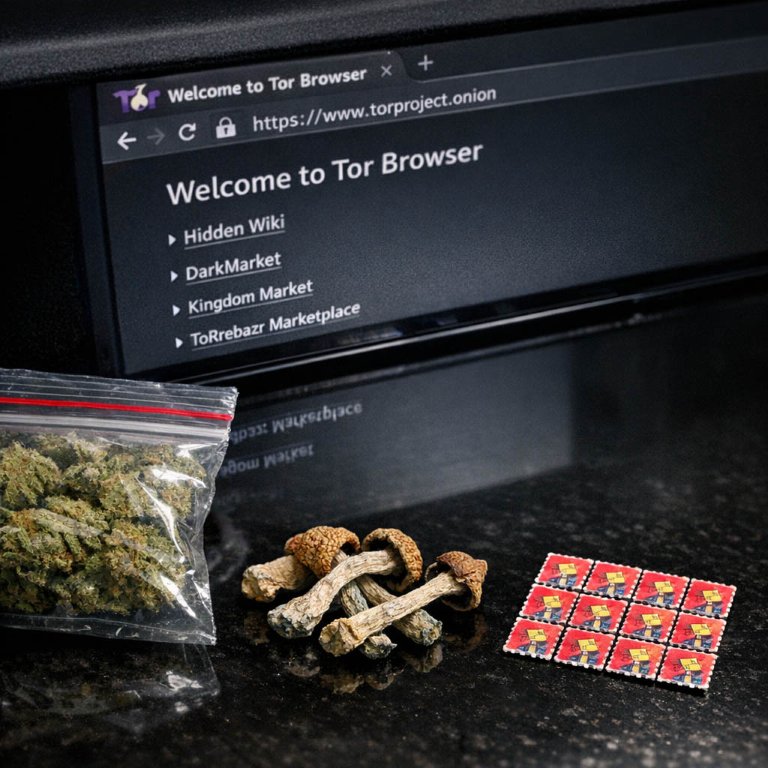
A Simple Interface for Finding What You Need on the Darknet
The platform's interface is engineered for intuitive navigation, significantly reducing the barrier to entry for new users. A centralized search function, complemented by a hierarchical category system, allows for efficient product discovery. Users can filter results by price, vendor location, shipping options, and substance type, enabling a tailored browsing experience that mirrors the functionality of conventional e-commerce sites.
This design philosophy extends to the product listing pages. Each item is presented with clear, standardized information:
- High-resolution product photography
- Precise weight and purity specifications
- Transparent pricing in various cryptocurrencies
- Vendor's current shipping times and destinations
The system's architecture facilitates a direct correlation between interface simplicity and transactional security. By streamlining the process from search to cart, the platform minimizes user error and exposure. The checkout process is a linear sequence, clearly indicating each stepfrom finalizing the order and transferring crypto to the multisignature escrow, to confirming shipment and finally releasing funds. This clarity ensures that even complex security mechanisms become a seamless part of the user journey, promoting both confidence and efficiency in anonymous commerce.
How to Check a Vendor's Reputation and Reviews on the Darknet
The platform's design integrates a transparent feedback and review system as a fundamental component of its self-regulating ecosystem. This system transforms individual transactions into collective intelligence, allowing buyers to make informed decisions based on empirical data rather than trust alone. Each vendor profile displays a comprehensive history, including the total number of transactions, the percentage of positive feedback, and detailed written reviews from previous customers.
Analyzing a vendor's history involves examining several key metrics:
- The vendor's tenure on the platform, indicating stability and experience.
- Detailed review comments that often specify product quality, shipping speed, and communication.
- The volume of recent sales, which serves as an indicator of current reliability and operational capacity.
Community reviews function as a continuous audit mechanism. This peer-generated reputation creates a powerful incentive for vendors to maintain high standards, as negative feedback directly impacts future business. The system's architecture ensures reviews are linked to finalized escrow transactions, preventing artificial inflation of ratings. This creates a reliable environment where consistent, high-quality service is rewarded with a strong reputation, facilitating safer and more predictable anonymous shopping experiences.

How Direct P2P Trading Works on the Darknet
The direct peer-to-peer exchange is the operational core of the Nexus darknet marketplace, eliminating intermediaries and fostering a transparent trade environment. This model connects buyers and sellers directly, allowing for negotiated terms and personalized agreements that benefit both parties. The process is streamlined: a user selects a product, initiates a transaction with the vendor, and the platform's infrastructure facilitates the secure transfer of information and funds without holding the goods itself.
The transaction's security is enhanced by the mandatory use of escrow services and cryptocurrency payments. When an order is placed, the buyer's cryptocurrency is held in a secure, multi-signature escrow system. This escrow is only released to the seller after the buyer confirms satisfactory receipt of the product. This mechanism significantly reduces the risk of fraud, as it discourages vendors from sending substandard or no products and discourages buyers from falsely claiming non-receipt.
The system's integrity is further reinforced by its self-regulating feedback loop. Every completed transaction contributes to the vendor's public rating and the product's review history. This creates a persistent and accountable digital reputation for each seller. New users can make informed decisions by examining:
- Detailed vendor history and transaction count
- Average product rating and specific written reviews
- Resolution rate for any past disputes
How User Ratings Build Trust on Darknet Markets
The user rating system functions as the primary mechanism for maintaining transactional integrity on the platform. It operates as a continuous, community-driven audit where every completed order contributes data. A vendor's average score and detailed feedback create a transparent performance history that new users can immediately assess.
This transparency incentivizes consistent, high-quality service. Vendors with established positive ratings have a strong economic interest in preserving their reputation, which directly influences their sales volume. Conversely, a pattern of negative reviews regarding product quality or shipping times serves as a clear market signal, effectively marginalizing unreliable actors. The system's design ensures that ratings are tied to verified transactions, preventing artificial inflation.
The practical analysis of reviews involves examining several key factors:
- The specificity of feedback regarding product purity and weight.
- Consistency in reports of secure and discreet packaging.
- Vendor communication speed and professionalism in resolving issues.
How Escrow Protects Your Darknet Purchases
The escrow system is a fundamental security feature on the Nexus darknet platform, acting as a trusted third party for all transactions. When a buyer initiates a purchase, their cryptocurrency payment is not sent directly to the vendor. Instead, the funds are held securely in the platform's escrow account. This creates a conditional agreement where the vendor is incentivized to ship the product as described, knowing the payment is guaranteed but not yet released.
The process follows a clear sequence that protects both parties:
- The buyer sends payment to the escrow, which the vendor sees as a confirmed order.
- The vendor then ships the product to the buyer.
- Upon receipt, the buyer finalizes the order, releasing the escrowed funds to the vendor.
If a dispute arises, such as a product not arriving or not matching its description, the buyer can open a dispute case. This engages platform moderators who review communication and evidence from both sides before adjudicating the release of escrowed funds. This structured resolution process replaces the need for personal retaliation or loss, maintaining system integrity. The consistent use of escrow builds a self-reinforcing cycle of trust: reliable vendors receive their funds promptly, buyers shop with confidence, and the overall reputation of the marketplace is enhanced, encouraging more secure and anonymous deals for all participants.
How the Darknet's Reputation System Keeps Trade Safe
The platform's ecosystem operates on a principle of distributed trust, where control is removed from a central authority and placed in the hands of its users. This is achieved through a combination of transparent feedback mechanisms and automated systems that incentivize honest behavior. The reputation system is the core of this self-regulation. Every transaction concludes with mandatory feedback, where buyers rate vendors on product quality, shipping speed, and communication. These ratings are permanently and publicly displayed on vendor profiles, creating a transparent history that directly influences future business.
This creates a powerful economic incentive for vendors to maintain high standards, as poor reviews or unresolved disputes severely limit their ability to attract customers. The system is further stabilized by the multi-signature escrow service, which holds cryptocurrency payments until the buyer confirms satisfactory receipt of the goods. This neutral mechanism prevents fraud by both parties and automatically resolves common transactional disputes without external intervention.
The community itself acts as a final regulatory layer. Forums and review sections allow for detailed discussion of products and vendor practices. Consistent patterns of negative feedback or scam allegations are quickly amplified by the community, leading to collective avoidance of malicious actors. This organic peer policing ensures that the market's integrity is maintained not by top-down rules, but by the collective self-interest of its participants in preserving a reliable trading environment.